<input ng-model="foo"> <!-- as an attr -->
<input data-ng-model="foo">
<person>{{name}}</person><p ng-controller="Controller"> Hello <input ng-model='name'> <hr/> <span ng-bind="name"></span> <br/> <span ng:bind="name"></span> <br/> <span ng_bind="name"></span> <br/> <span data-ng-bind="name"></span> <br/> <span x-ng-bind="name"></span> <br/> </p>
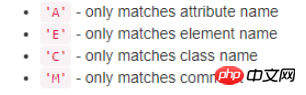
A - attributes    <p person> </p>
C - class name    <p class="person"> </p>
E - element name   <person></person>
M - comments    <!-- directive: person -->
//...
scope: { customerInfo: '=info' },
//...angular.module('docsTabsExample', [])
.directive('myPane', function() {
return {
require: ['^^myTabs', 'ngModel'],
restrict: 'E',
transclude: true,
scope: {
title: '@'
},
link: function(scope, element, attrs, controllers) {
var tabsCtrl = controllers[0],
modelCtrl = controllers[1];
tabsCtrl.addPane(scope);
},
templateUrl: 'my-pane.html'
};
});以上就是angularjs如何创建自定义指令?用angularjs创建自定义指令详细过程的详细内容,更多请关注php中文网其它相关文章!

每个人都需要一台速度更快、更稳定的 PC。随着时间的推移,垃圾文件、旧注册表数据和不必要的后台进程会占用资源并降低性能。幸运的是,许多工具可以让 Windows 保持平稳运行。

 广告
广告
 收藏
收藏
 收藏
收藏
 收藏
收藏
Copyright 2014-2025 https://www.php.cn/ All Rights Reserved | php.cn | 湘ICP备2023035733号


 243
243