vue中的组件通讯模式分析
Vue是一种现代化的JavaScript框架,它提供了一种基于组件的开发模式,使得前端开发更加简单和高效。在Vue中,组件是构建用户界面的基本单元,但不同组件之间的通讯问题也是很多开发者头疼的一个问题。本文将从Vue的组件通讯模式入手,深入分析Vue中不同的组件通讯方式,并给出相关的代码示例。
代码示例:
<!-- 父组件 -->
<template>
  <div>
    <child-component :message="message" @send="handleSend"></child-component>
  </div>
</template>

<script>
import ChildComponent from "./ChildComponent.vue";

export default {
  components: {
    ChildComponent
  },
  data() {
    return {
      message: "Hello World"
    };
  },
  methods: {
    handleSend(data) {
      console.log(data);
    }
  }
}
</script>

<!-- 子组件 -->
<template>
  <div>
    <button @click="handleClick">Send Message to Parent</button>
  </div>
</template>

<script>
export default {
  props: {
    message: {
      type: String,
      required: true
    }
  },
  methods: {
    handleClick() {
      this.$emit("send", "Message from Child");
    }
  }
}
</script>代码示例:
// eventBus.js
import Vue from "vue";

const eventBus = new Vue();

export default eventBus;
<!-- 兄弟组件A -->
<template>
  <div>
    <button @click="sendMessage">Send Message</button>
  </div>
</template>

<script>
import eventBus from "./eventBus";

export default {
  methods: {
    sendMessage() {
      eventBus.$emit("message", "Message from Component A");
    }
  }
}
</script>

<!-- 兄弟组件B -->
<template>
  <div>
    <p>{{ message }}</p><p><span>立即学习</span>“<a href="https://pan.quark.cn/s/cb6835dc7db1" style="text-decoration: underline !important; color: blue; font-weight: bolder;" rel="nofollow" target="_blank">前端免费学习笔记(深入)</a>”;</p>
                    <div class="aritcle_card">
                        <a class="aritcle_card_img" href="/xiazai/code/11072">
                            <img src="https://img.php.cn/upload/webcode/000/000/018/176484960870398.jpg" alt="威客">
                        </a>
                        <div class="aritcle_card_info">
                            <a href="/xiazai/code/11072">威客</a>
                            <p>PHP威客系统威客贰系统是国内领先的威客网站内容管理系统,基于PHP+Mysql架构开发。整合UCHOME系统,系统内容模块由:威客悬赏,招标任务,人才库,人才,招聘,新闻资讯,在线支付,发贴推广,案例示范等多种功能组成。 威客贰系统独创的单人悬赏、 多人悬赏 、计件悬赏 、 定金招标、 本地招标为核心任务模式。超强的发贴推广可以分配到不同的任务模式不同的会员等级有不同的提成费用,根据网站自身需要</p>
                            <div class="">
                                <img src="/static/images/card_xiazai.png" alt="威客">
                                <span>0</span>
                            </div>
                        </div>
                        <a href="/xiazai/code/11072" class="aritcle_card_btn">
                            <span>查看详情</span>
                            <img src="/static/images/cardxiayige-3.png" alt="威客">
                        </a>
                    </div>

  </div>
</template>

<script>
import eventBus from "./eventBus";

export default {
  data() {
    return {
      message: ""
    }
  },
  created() {
    eventBus.$on("message", (data) => {
      this.message = data;
    });
  }
}
</script>代码示例:
<!-- 祖父组件 -->
<template>
  <div>
    <provide value="Message from Grandfather">
      <parent-component></parent-component>
    </provide>
  </div>
</template>

<!-- 父组件 -->
<template>
  <div>
    <child-component></child-component>
  </div>
</template>

<!-- 子组件 -->
<template>
  <div>
    <p>{{ message }}</p><p><span>立即学习</span>“<a href="https://pan.quark.cn/s/cb6835dc7db1" style="text-decoration: underline !important; color: blue; font-weight: bolder;" rel="nofollow" target="_blank">前端免费学习笔记(深入)</a>”;</p>
  </div>
</template>

<script>
export default {
  inject: ["value"],
  computed: {
    message() {
      return this.value;
    }
  }
}
</script>总结:
通过以上的代码示例,我们可以看到在Vue中有多种方式实现组件通讯。父子组件通讯通过props和$emit实现,兄弟组件通讯可以通过中央事件总线实现,而跨级组件通讯可以通过provide和inject实现。根据具体的开发需求,我们可以选择合适的方式来实现组件之间的通讯,从而提高开发效率和代码质量。
以上就是Vue中的组件通讯模式分析的详细内容,更多请关注php中文网其它相关文章!
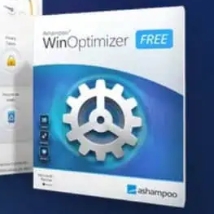
每个人都需要一台速度更快、更稳定的 PC。随着时间的推移,垃圾文件、旧注册表数据和不必要的后台进程会占用资源并降低性能。幸运的是,许多工具可以让 Windows 保持平稳运行。

 广告
广告Copyright 2014-2025 https://www.php.cn/ All Rights Reserved | php.cn | 湘ICP备2023035733号


 514
514
 收藏
收藏

 取消收藏
取消收藏