


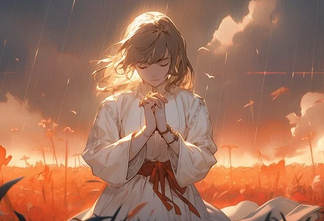
在Midjourney中提升图像细节与氛围感需分层构建提示词结构、使用动词化与感官化修饰、运用权重锚点技术、采用正向否定精修及跨文化符号精确转译。
☞☞☞AI 智能聊天, 问答助手, AI 智能搜索, 免费无限量使用 DeepSeek R1 模型☜☜☜

如果您希望在Midjourney中生成具有高度细节与强烈氛围感的图像,提示词的结构和用词选择将直接影响输出质量。以下是实现精细描述与氛围渲染的具体方法:
一、分层构建提示词结构
Midjourney对提示词的解析依赖于语义权重与逻辑顺序,建议按“主体—细节—环境—风格—参数”五层递进组织,确保关键信息不被稀释。每一层使用英文逗号分隔,避免中文标点混入。
1、确定核心主体,使用具体名词而非模糊称谓,例如用“a weathered bronze bust of Hypatia”替代“an old woman statue”。
2、叠加物理细节,限定材质、纹理、光照反应,例如添加“oxidized patina, fine hair strands catching rim light, micro-scratches on cheekbone”。
3、嵌入环境线索,通过可识别元素暗示空间关系与时间状态,例如“dust motes suspended in afternoon sunbeam, cracked marble plinth with lichen growth”。
4、指定视觉风格与媒介特征,如“shot on Kodak Portra 400, shallow depth of field, f/1.4”或“woodcut engraving with cross-hatched shadows”。
5、附加参数控制,置于末尾,例如“--v 6.2 --style raw --s 750”以锁定版本与风格强度。
二、激活氛围的动词化与感官化修饰
静态形容词易导致画面扁平,而具动作性与感知通道的词汇能触发Midjourney对动态关系的建模。重点调用触觉、温度、时间流动等隐性维度。
1、用现在分词替代过去分词,例如将“foggy forest”改为“mist curling between ancient oaks”,使雾气获得运动轨迹。
2、引入温度与湿度暗示,例如“damp cobblestones reflecting sodium-vapor lamp glow”比“wet street at night”更易激活材质反光与色温响应。
3、嵌入时间痕迹动词,例如“peeling paint revealing decades of underlying layers”比“old painted wall”更能驱动多层纹理生成。
4、添加微小动态干扰项,例如“slight motion blur on falling cherry blossom petals”可触发算法对速度矢量与景深衰减的协同计算。
三、控制细节密度的权重锚点技术
Midjourney默认平均分配词频权重,需通过括号与双冒号强制提升关键细节的解析优先级,防止次要元素喧宾夺主。
1、对必须保留的核心细节使用双重括号,例如“((crystal chandelier with 27 hand-cut prisms)), ((refracted rainbow streak across oak floor))”。

2、对需弱化的背景元素使用单括号并降低权重,例如“(distant city skyline::0.3)”。
3、对抽象氛围概念绑定具象载体,例如“golden hour::1.8 (warm light spilling through leaded glass window::1.5)”使时间属性依附于可建模对象。
4、在复杂场景中为不同区域设置独立权重组,例如“((close-up of wrinkled hands holding porcelain teacup::2.0)), (steam rising from tea::1.7), (blurred bamboo garden beyond shoji screen::0.6)”。
四、规避语义冲突的否定式精修
Midjourney无法真正理解“否定”,直接使用“no text”“without people”可能引发歧义。应采用正向排除法,用高权重替代项覆盖干扰元素。
1、替换“no background”为“pure seamless studio white backdrop, product photography lighting”以锁定干净背景类型。
2、替代“not photorealistic”为“ink wash painting style, sumi-e brushstrokes visible at edge, rice paper texture”明确指向目标媒介。
3、处理“no modern objects”时,指定时代锚点:“19th-century Parisian attic, brass telescope on velvet stand, leather-bound notebooks, gas lamp with frosted glass shade”。
4、针对“no smile”类表情控制,改用微表情参数:“neutral expression, slight downward lip tension, relaxed forehead, soft gaze directed slightly left of frame”。
五、跨文化符号的精确转译策略
中文直译常导致Midjourney误读文化语境,需将抽象概念转化为西方艺术史或摄影术语中可索引的实体参照。
1、将“禅意”转译为“wabi-sabi composition, asymmetric rock arrangement in raked gravel, single pine branch extending into negative space, muted earth palette”。
2、将“敦煌飞天”拆解为“Tang dynasty mural fragment, apsara figure mid-air with flowing silk ribbons (S-shaped curve), mineral pigments flaking at edges, cave wall texture visible beneath”。
3、将“江南烟雨”重构为“Ming dynasty handscroll aesthetic, ink-wash mist diffusing across willow-lined canal, faint silhouette of arched stone bridge, rain streaks rendered as vertical silver threads”。
4、将“赛博朋克夜市”具象为“neon-drenched Shenzhen street market at midnight, holographic dumpling vendor sign flickering, rain-slicked asphalt reflecting LED kanji, steam rising from wok station beside chrome food cart”。




